Living to 150: Closer Than You Think
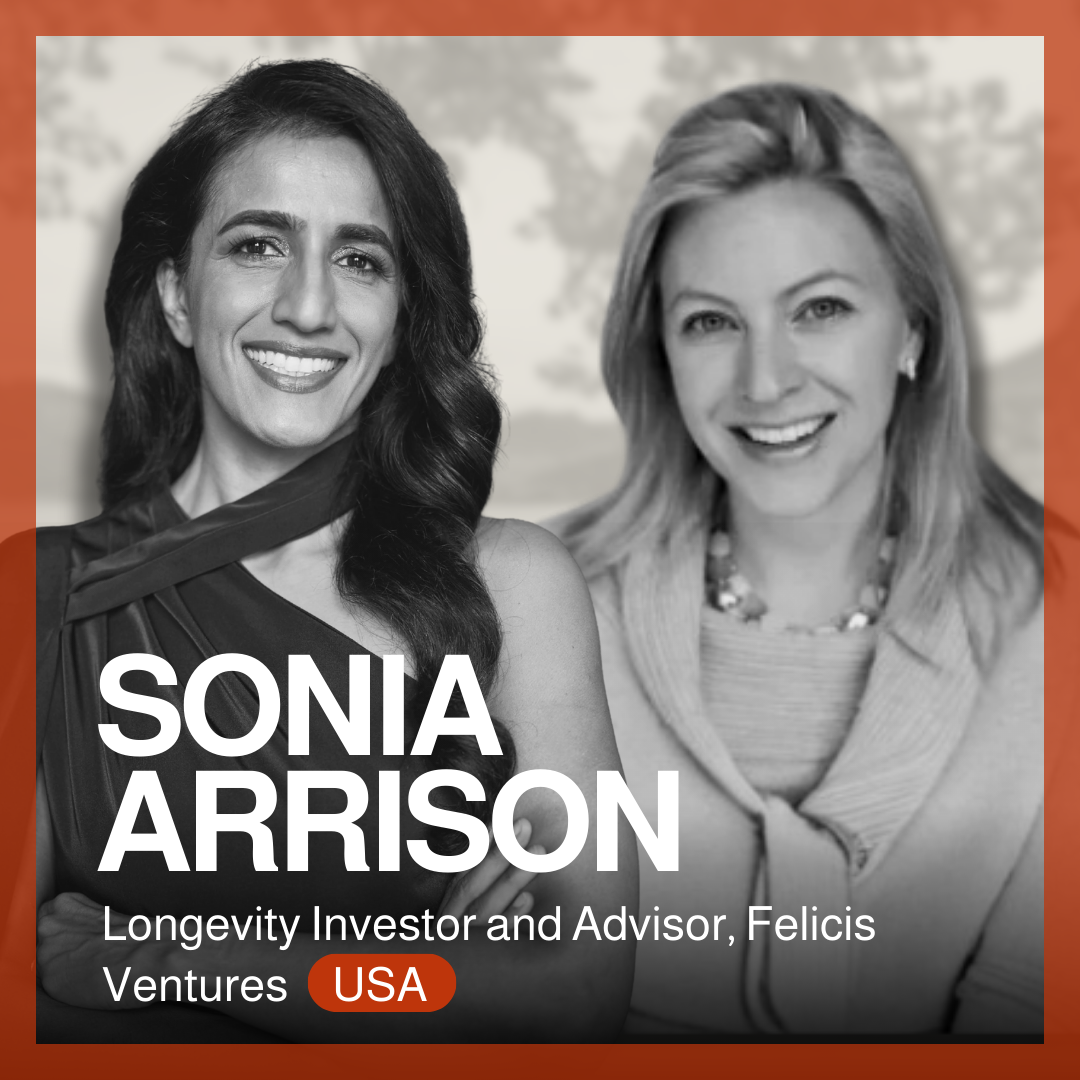
Our Guest- Sonia Arrison
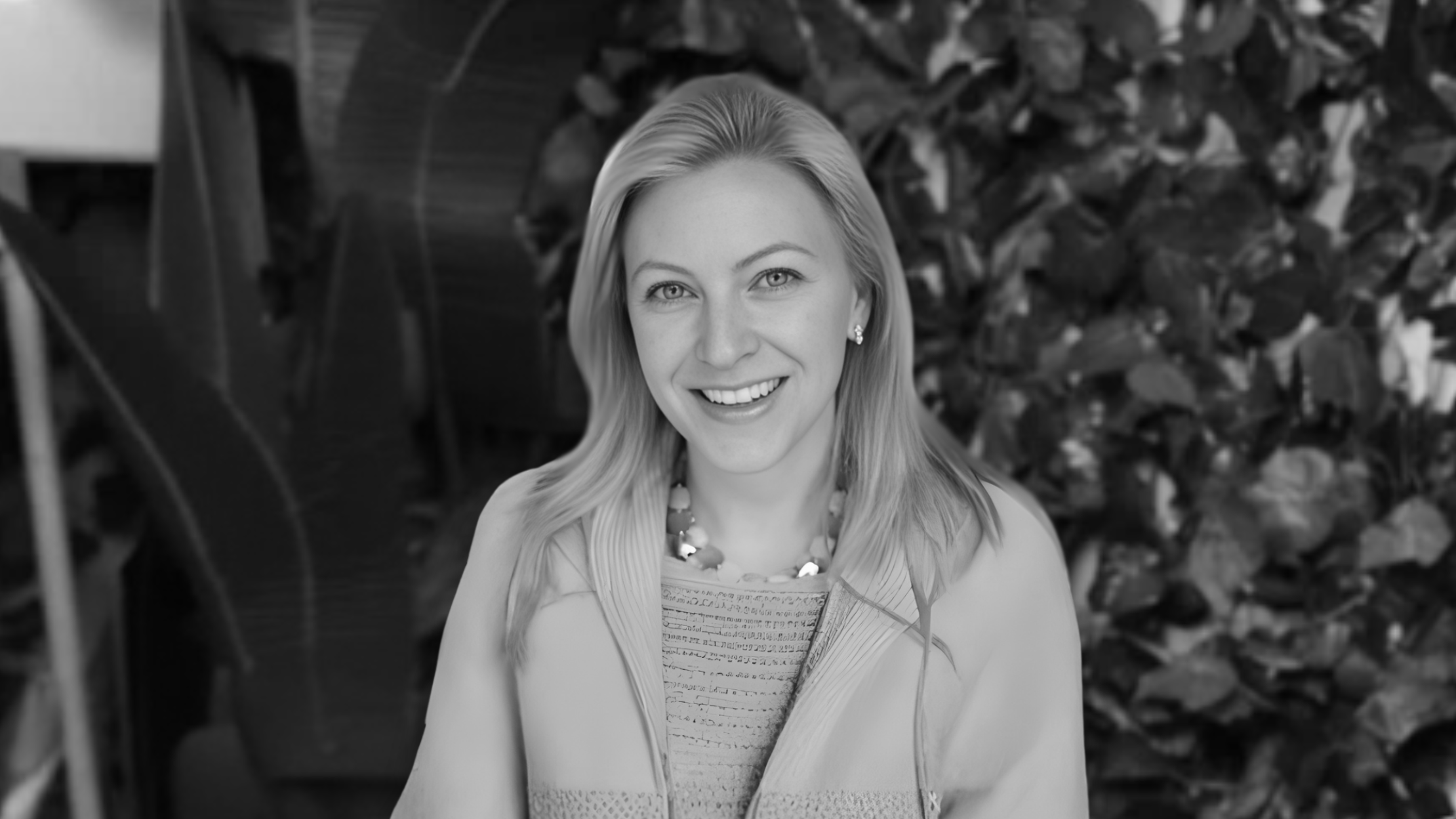
Sonia Arrison is an entrepreneur, investor, and best-selling author. She is founder of 100 Plus Capital, Chair of the Alliance for Longevity Initiatives, Venture Partner at Portfolia, and advisor to Felicis Ventures where she focuses on the convergence of biology and technology.
Previously, she was co-founder of Unsugarcoat Media (acquired by Medium), board member at the Thiel Foundation, an associate founder of Singularity University, a director and Senior Fellow in Tech Studies at the Pacific Research Institute, board member at Woodland School, and a weekly columnist at TechNewsWorld.
Sonia has always been interested in exponentially growing technologies and their impact on society.
Her most recent book, 100 Plus: How the Coming Age of Longevity Will Change Everything, From Careers and Relationships to Family and Faith, addresses the social, economic, and cultural impacts of radical human longevity. It gained national best-seller status and still keeps Sonia busy speaking all over the world.
“AI can take huge amounts of data and instantly map patterns, even things we would never notice.”
-Sonia Arrison
What would you do if life handed you another 60 years of energy, clarity, and curiosity? Would you reinvent your career? Fall in love again? Start something bold at 95?
It sounds like sci-fi, but longevity expert Sonia Arrison believes we’re entering an era where living to 120 or even 150 may be more common than we think.
And she’s been predicting this future long before it became a TikTok trend.
Sonia, author of 100 Plus and one of Silicon Valley’s most active longevity investors, joined us to explain why science and AI are pushing human health into radical new territory and what that means for our relationships, our money, and our sense of purpose.
The New Definition of Aging
When people ask Sonia whether they need “three times the savings” if they live to 150, she laughs gently, then reframes the entire conversation.
“What we really mean isn’t longevity,” she says. “What we really mean is health span being healthy for much, much longer periods of time.”
If you’re 110 and still strong and mentally sharp, retirement at 65 becomes an outdated idea. Sonia points out that her own grandfather “worked until his last month and lived almost to 101”because he was healthy enough to want to.
Longer lives also force us to rethink family and marriage. Sonia once explored whether a 100-year partnership might need flexibility. “Imagine if you got married at 25 and lived to 150… do you want to be married to that person the whole time?” she says with a smile.
She’s not pushing for “sunset clauses,” but she acknowledges that longer lives will reshape relationships, timing, and expectations.
The Science That Makes 150 Possible
The biggest villain in aging isn’t the number, it’s frailty.
Sonia puts it simply: “How is it possible not to be frail as you get older?”
This is where huge scientific effort is going, especially into sarcopenia, the loss of muscle as we age. Sonia says multiple companies are attacking this problem at once.
“It’s not going to be one silver bullet… it’s a patchwork of things that extend health span in the way people need.”
She’s even invested in a startup that has reversed sarcopenia in cats, a step she believes will accelerate human breakthroughs.
But one force is speeding the entire field forward faster than expected: artificial intelligence.
AI: The Silent Engine Behind Longer Life
Sonia doesn’t mince words. “AI is critical to the longevity movement… I don’t see a single longevity company that isn’t using it.”
Why? Because AI can see what humans can’t.
“AI can take huge amounts of data and instantly map patterns, even things we would never notice.”
That leads to faster discoveries, personalized treatment, and better medical tools.
She cites Prenuvo, the AI-enhanced full-body MRI company she’s invested in. “They use AI to map the anatomy faster and more precisely than a radiologist can in a dark room.”
Another company she recently backed, Chronicle Bio, collects enormous data from autoimmune patients, bloodwork, wearables, symptoms and layers AI on top to find solutions no one has spotted before.
And women’s health, long overlooked in medicine, is finally getting investment and innovation.
Sonia is especially excited about Gameto, calling their work “incredible”:
Compressing IVF from two weeks to two days
A hormone ring that replaces the current messy, multi-step process
And the big one: partial cellular reprogramming of ovarian tissue
Their goal?
“To make menopause optional.”
Longevity for Everyone, Not Just the Wealthy
When I asked Sonia whether longevity will become something “only rich people can afford,” she didn’t hesitate.
“Some of those $100,000-a-year longevity clubs are kind of scammy.”
She believes access will broaden just like it did with cell phones or electricity, expensive at first, then widely available.
And she’s working on regulatory solutions too. Sonia helped launch a U.S. longevity lobby group, which supported a new Montana law giving people the right to try longevity treatments after they pass safety trials.
“You have to be careful… but wealthy early adopters can help fund treatment development for everyone else.”
What She Actually Does in Her Own Life
For someone surrounded by futuristic science, Sonia keeps her personal routine surprisingly grounded:
“I exercise every day… it switches on your longevity genes.”
“Sleep is completely underrated.”
“I stay away from processed foods.”
She tracks biomarkers through wearables, uses AI-powered health platforms to keep her medical records in one place, and takes only a few supplements. “Vitamins and protein powders are overrated,” she adds with a laugh.
Her next experiment? A full AI-driven brain scan.
The One Question That Really Matters
The surprising twist is that Sonia doesn’t think the biggest challenge of long life is medicine. It’s meaning.
“The longer you live, the longer you have to deal with your issues… and the question becomes: what is your purpose?”
She believes longevity and AI share a hidden common thread: both push society to rethink identity, work, belonging, and self-worth.
“Purpose is going to be one of the grand challenges of our future.”
Final Thought
Living to 150 isn’t just a scientific milestone. It’s a human one. It will change how we age, how we love, how we work, and how we build lives worth living.
But as Sonia reminds us, the most important question isn’t when we’ll live longer.
It’s: What will we choose to do with all that extra time?