Start Before You Feel Ready
Our Guest-Magnus Grimeland
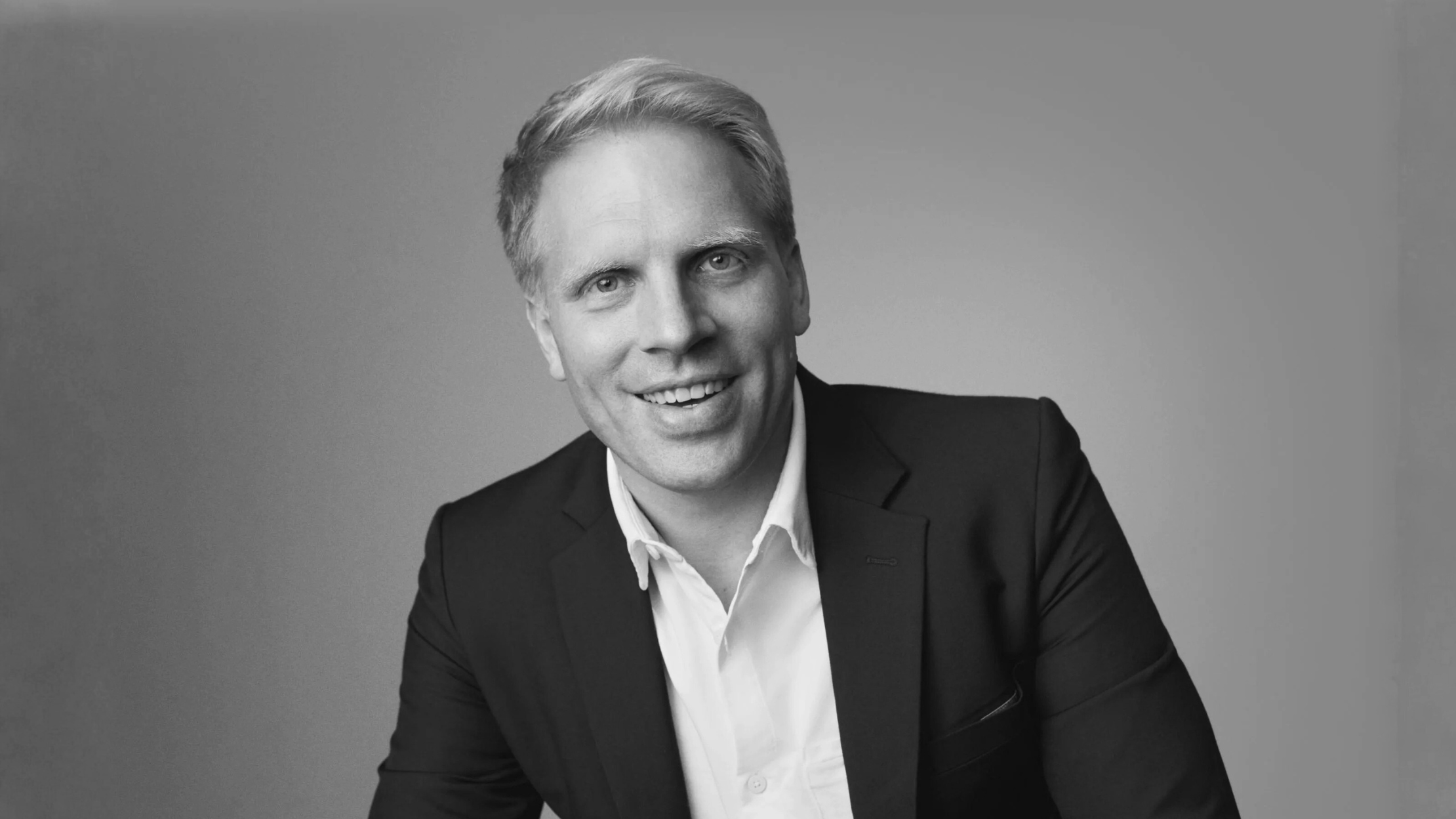
Magnus Grimeland grew up on a farm in rural Norway, where he learned early how effort turns into value - starting with a small childhood business selling eggs to neighbors. He later served in Norway’s Naval Special Forces, an experience that shaped his resilience and discipline long before he entered the world of startups.
After studying at Harvard and helping build Zalora in Southeast Asia, Magnus founded Antler, now one of the world’s most global early-stage venture capital firms. Through Antler, he works with founders at day zero, often before the idea, team, or confidence fully exists, helping them turn real problems into global companies.
Having worked with more than 12,000 founders and backed over 1,700 startups across 30+ countries, Magnus is driven by a simple belief: great founders can come from anywhere, if they’re given the chance to start.
“Great founders just don’t give up. They believe they will succeed no matter what.”
- Magnus Grimeland
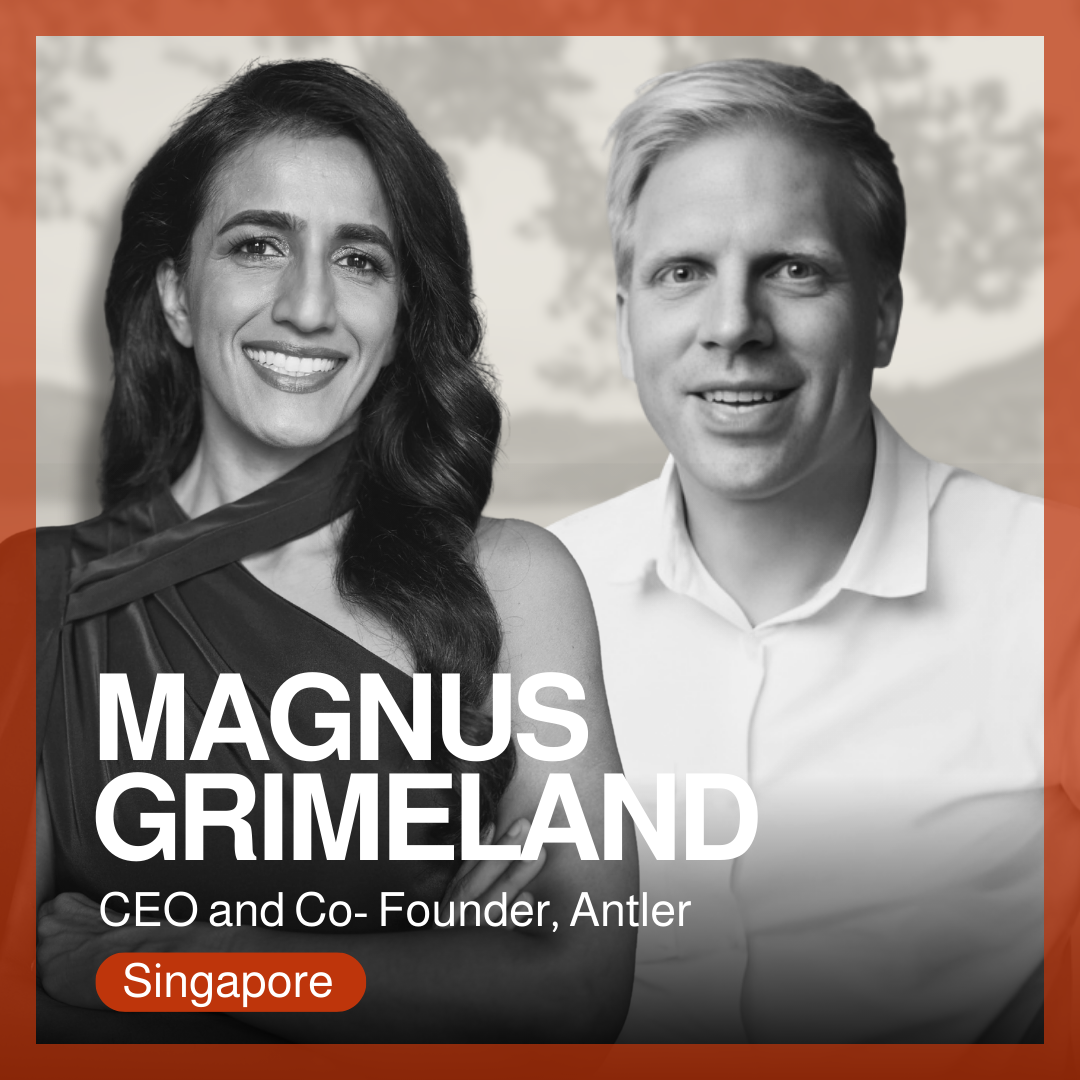
The Wake-Up Call Every Aspiring Founder Needs
What if the only thing separating you from building the company you dream about is the belief that you’re “not ready”? That idea dissolves the moment you meet Magnus Grimeland, former Norwegian Naval Special Forces operator, Harvard graduate, and founder of Antler, one of the world’s most global early-stage VC firms.
After meeting over 12,000 founders at day zero, his message is blunt: “You don’t need permission or perfect timing. You just need the courage to take the first step.”
Magnus has built Antler into a network spanning 30 countries, backing 1,700 startups across continents, from San Francisco to Nigeria. But his story started far from any tech hub.
From Rural Norway to Navy Special Forces
Magnus grew up on a farm in rural Norway, tucked beneath a mountain that blocked TV signals. “We didn’t have TV because the channels didn’t quite come through the antenna,” he says. Instead, he spent his days outside or running the egg business he started as a kid. “You learn a lot about how micro-economies work when you’re selling eggs to neighbors.”
The quiet countryside eventually led him to one of the most demanding environments in the world: Norway’s Naval Special Forces. He describes it as “an incredible journey” that taught him mental resilience and endurance, skills he now recognizes in great founders. “Great founders just don’t give up,” he says. “They believe they will succeed no matter what.”
Those years shaped his philosophy long before Antler existed.
Why Singapore and Why Start Antler?
After Harvard, Magnus joined McKinsey and found himself working with tech companies across Asia. He eventually moved to Singapore and helped build Zalora, discovering firsthand how intense early-stage company building can be. “If I had spent a day binge-watching Love Island in those days, the business would have stalled,” he jokes. “In the early years, your hours matter more than anything.”
That experience inspired Antler’s “day zero” model: meet founders before their idea is ready, their team is formed, or their confidence is fully built. “We want to work with founders as early as we can,” Magnus explains. “Sometimes they have a team; sometimes they’re brilliant PhDs with no business experience; sometimes they grew up seeing a problem no one else sees.”
What Antler offers is both simple and rare, a global network, a curated pool of co-founders, access to experts, early capital, and a way into ecosystems that many founders could never reach alone.
What Makes a Founder Succeed
After reviewing over 400,000 applicants, Magnus says three traits consistently predict founder success.
First: a spike.
“We’re looking for something you’re extraordinary at,” he says. It could be technical talent, leadership ability, or something unconventional. One Antler founder was a systems engineer who also happened to be one of the world’s best computer gamers. “If you can do that while working full-time, there’s something there,” Magnus says.
Second: drive.
Not passion, execution. “We all know passionate people who talk but never do. Drive is ambition plus action.”
Third: grit.
The willingness to push through setbacks, uncertainty, and exhaustion. “Every great company has impossible moments. The best founders push through anyway.”
Those qualities, he says, are nearly impossible to fake.
The Mistake Founders Keep Repeating
Magnus sees many early founders misjudge how intense the first months need to be. He calls it front-loading, understanding that in the beginning, you are the engine of momentum.
“When Antler started, there were months where it was just me. If I didn’t work, nothing moved.” Later, teams and structures can help, but the early days demand full focus. “Those first years are tough but later, you look back on them as the best moments.”
The AI Shift: Tiny Teams, Big Impact
Magnus has a front-row seat to how AI is reshaping startups. The biggest change? Teams are becoming dramatically smaller.
“You can achieve so much more with fewer people,” he says. Tools like Lovable one of Antler’s portfolio companies mlet non-technical founders build full products in hours. But this speed also changes the competitive landscape. “Technology alone is no longer a moat. Distribution is becoming the moat.”
Still, he believes AI will create superpowers across every industry from medicine to logistics to education. “If this is harvested the right way, we’re looking at a very exciting future.”
Women Are About to Rewrite the Founder Landscape
One-third of Antler’s portfolio includes female founders nearly 20 times the global average. Magnus believes the shift is long overdue.
“Women are outperforming everywhere, in universities, in research, in the workplace,” he says. “Once they get equal access to networks, they build companies at the same rate as men.”
He’s seen powerful female founders come through Antler in Pakistan, Palestine, Japan, Nigeria, Korea, and across Europe and the Middle East.
“If you have the spike, the drive, and the grit, you can build a global company from anywhere.”
The Biggest Opportunity Ahead
Magnus hesitates to “predict the future,” but he’s unequivocal about one sector: healthcare.
“Healthcare is broken in the developed world and broken in the developing world,” he says. Millions lack basic care; meanwhile, developed economies are overspending on inefficient systems. AI can change this, early detection, personalized medicine, precision drug discovery, and more. “This is the single most exciting opportunity of our time.”
Why You Should Start Today
Magnus has met founders from farms, slums, universities, megacities, and places where startup ecosystems barely existed ten years ago. If there’s one lesson he wants you to take from his journey, it’s this:
You don’t need to be ready.
You don’t need to know everything.
You just need to begin.
“You don’t need permission or perfect timing,” he says. “You just need the courage to take the first step.”
Your future self is waiting for you to start.