Jeff Dean on Building Smarter, Greener AI
Our Guest: Jeff Dean
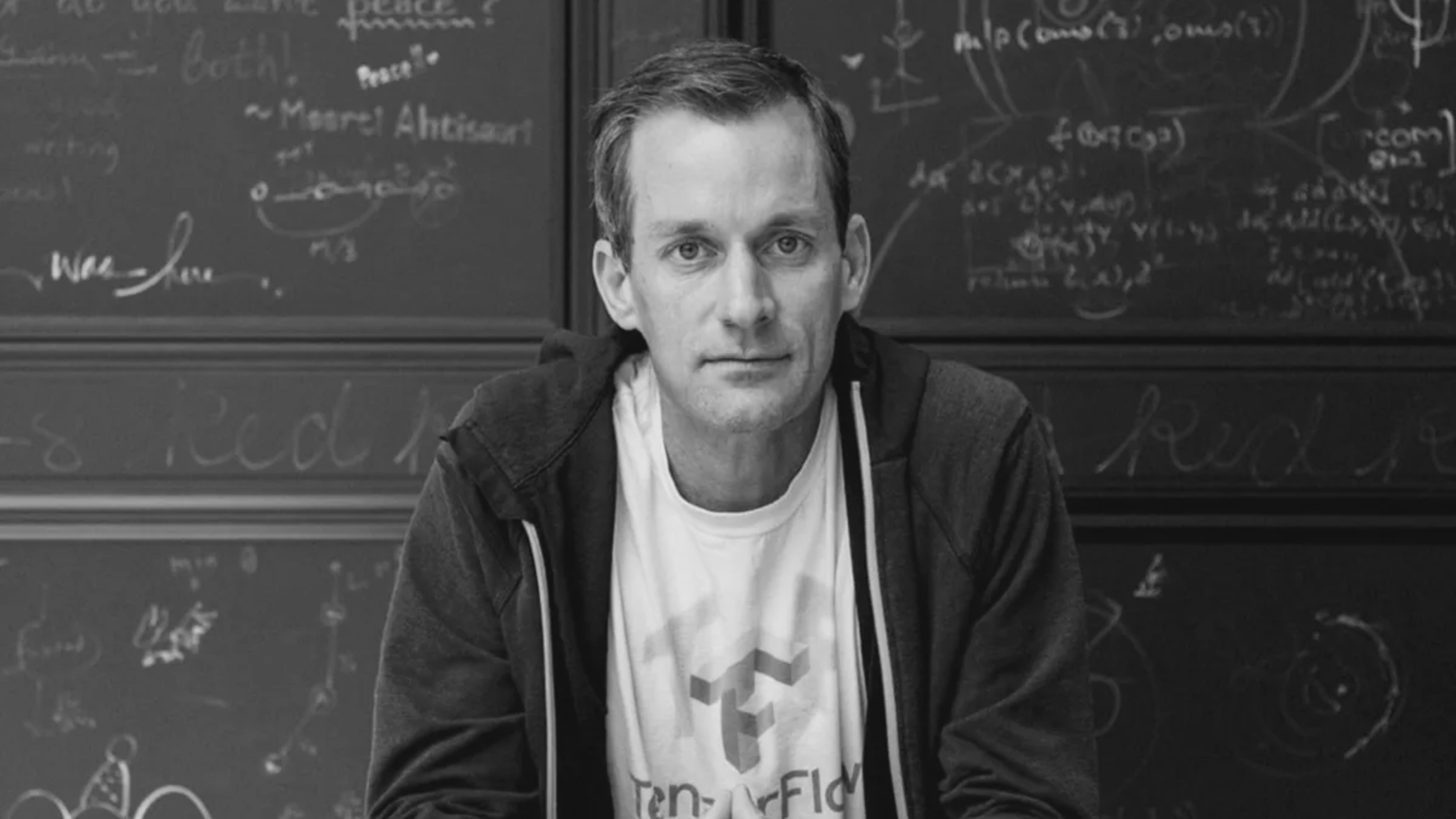
Image: Wired
He’s the architect behind Google’s smartest ideas. Jeff Dean, Google’s Chief Scientist, has helped build the AI systems that power our world, from Google Search and Translate to the groundbreaking Gemini model redefining the next generation of artificial intelligence.
Recognized by Forbes, MIT Technology Review, and Fortune as one of the most influential figures in tech, Dean has spent over two decades pioneering breakthroughs in deep learning, scalable computing, and sustainable AI.
As a leading voice in ethical and sustainable AI, Dean champions innovation that serves everyone, from energy-efficient model design to multilingual AI tools that make technology more inclusive. His leadership continues to shape how billions of people connect, learn, and create in the age of intelligent machines.
“The goal is an agent that takes a high-level description of what you want - and figures out the right actions to achieve it.”
— Jeff Dean
About the Episode
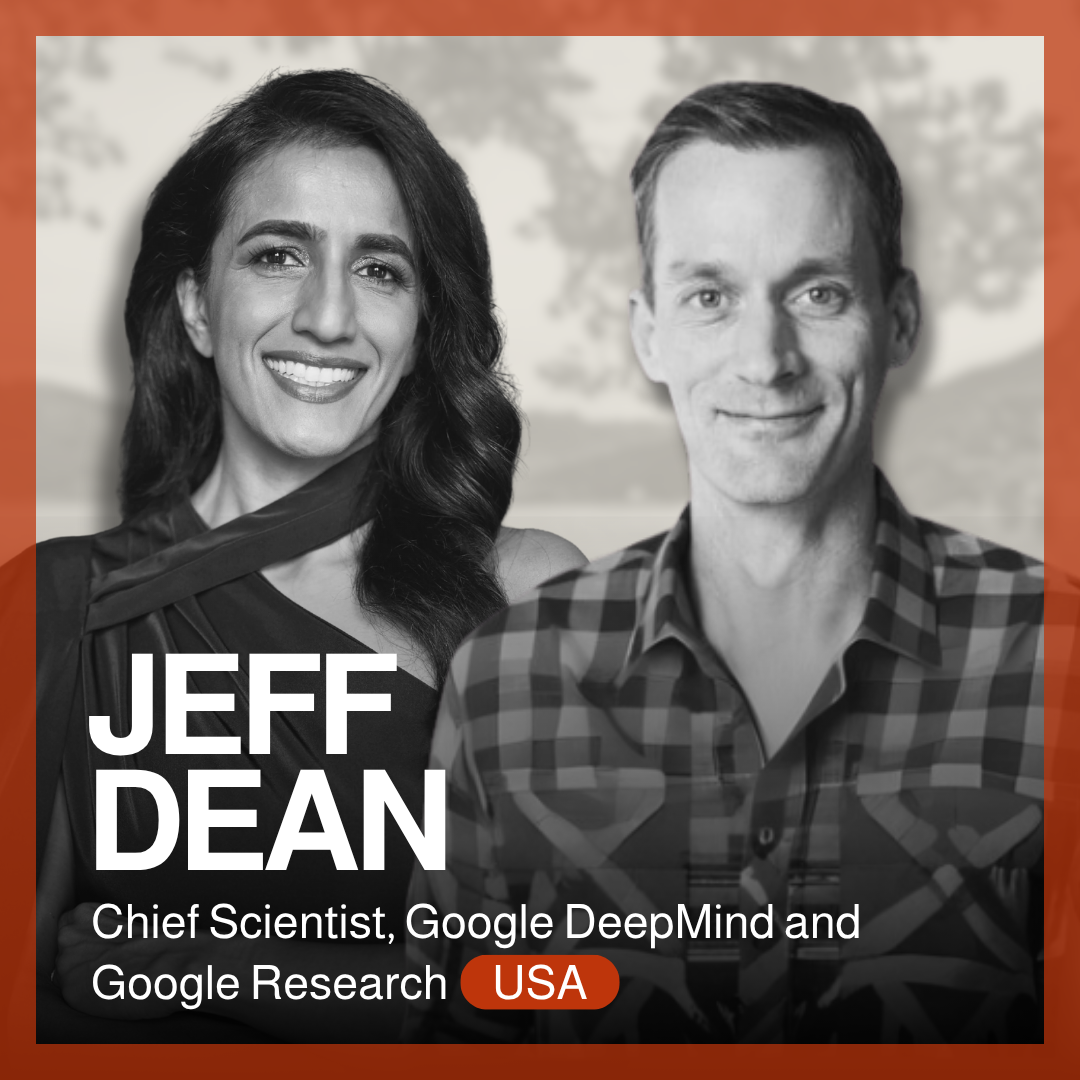
In this episode of AI Across Borders,
Dr. Ayesha Khanna sits down with Jeff Dean, Google’s Chief Scientist and the mind behind some of the company’s biggest AI breakthroughs.
From the powerful Gemini model to Google Translate and speech recognition, his work has shaped how billions use technology every day.
Together, they explore the future of AI, how Google is building smarter, greener, and more inclusive systems, and why the next generation of AI might live not in data centers, but in your pocket.
A Childhood of Movement and Meaning
When Jeff Dean was 13, he spent months in Somalia helping his parents at a refugee camp during a famine. That early exposure to crisis shaped how he sees technology, not as luxury, but as infrastructure.
Decades later, as Google’s Chief Scientist and head of AI, he still approaches innovation through that lens: technology should make life better, everywhere.
Building AI That Thinks and Learns Efficiently
Today, Dean oversees Gemini, Google’s most advanced AI model and one of the most ambitious attempts to make AI more powerful, sustainable, and global. “Energy costs, carbon emissions, water usage, all these can be brought down if you focus on how to build efficient machine learning systems,” he says.
At the heart of that effort is efficiency. Dean’s team pioneered Tensor Processing Units (TPUs), custom-built chips that make AI training and inference up to 80 times more energy efficient than traditional processors. These chips now power Google Search, YouTube, and Gemini itself, dramatically reducing the environmental cost of large-scale AI.
The Power of Many Minds
Dean’s teams at Google have produced breakthroughs that shaped the modern AI era, from machine translation to the foundations of large language models. But when asked what makes a team truly great, he doesn’t talk about algorithms. He talks about people.
“The best teams aren’t just the smartest,” he says. “They’re the ones that share a vision, where everyone learns from each other.” He believes diversity isn’t a checkbox, it’s a multiplier.
The Future Is Multimodal and Multilingual
One of the biggest shifts in AI today, Dean explains, is multimodality, systems that can understand not just text, but also images, audio, and video. Gemini was built for that. It can summarize a lecture from a video, translate a conversation, and analyze a dataset, all in one interface.
Equally transformative is language. Dean sees AI as a bridge for billions who don’t yet have access to the digital world. Google is working with regional partners on projects like SeaLion in Southeast Asia and expanding language coverage in Africa through its Ghana research hub, so AI systems reflect diverse cultures and dialects rather than just English. “It’s about accessibility,” he says. “Making sure everyone, no matter what language they speak, can benefit from technology.”
Rethinking AI for the World
Dean worries about a growing digital divide, the danger that if AI systems are trained mostly on Western data, they could end up reflecting only Western cultures and values, leaving out the rest of the world.
That’s why his team partners with governments and researchers in Africa and Southeast Asia to build language models rooted in local cultures and dialects. Projects like SeaLion in Singapore and Google’s work in Ghana aim to make technology speak in every language, literally.
He also stresses that AI’s future depends on efficiency and accessibility. One of his favorite techniques, called model distillation, compresses massive AI systems into smaller ones that can run on everyday devices. “It’s how we make high-quality AI available to everyone,” he explains from a student in Nairobi to a shopkeeper in Karachi.
Agents, Creativity, and the Next Leap
Asked about the next frontier, Dean lights up at the mention of AI agents, systems that can not only chat but act on your behalf. “Imagine telling an AI, ‘Plan a hike with my friends,’ and it sends the messages, finds the trails, and sets the date,” he says. These agents could soon transform how offices, homes, and industries work, automating the tedious so humans can focus on the meaningful.
But he’s quick to add a note of caution. “These tools make it easier to create things that are false but appear true,” he says, pointing to misinformation as one of AI’s biggest challenges. His recent paper, Shaping AI, outlines how society, governments, and companies must work together to maximize AI’s benefits while minimizing harm.
A Love Letter to Humanity
Despite the scale of his work, Jeff Dean’s motivation remains deeply personal. “What excites me about computing,” he says, “is that a small group of people can create something used by billions and make their lives better.” He sees AI not as a replacement for human creativity but as a collaborator, one that helps us learn faster, build smarter, and dream bigger.
His message to young people everywhere is simple: with access to the right tools, anyone can be part of this story. “There are talented, motivated people all over the world,” he says. “We just need to give them the opportunity.”
Because for Jeff Dean, the future of AI isn’t just about machines that think, it’s about humans who imagine.